

At Ark-G Dental, it’s approached with restraint and care, focusing on results that feel natural, considered, unique to you, and built to last.
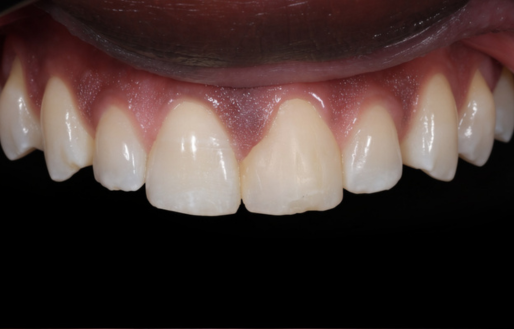
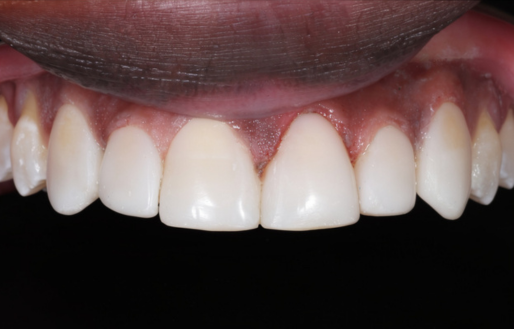
Composite bonding is a way of improving the appearance of your teeth by applying a tooth-coloured material directly onto the surface. It can be used to repair small chips, adjust the shape of a tooth, or improve areas of uneven colour. The composite material is matched to your natural teeth and is a near-perfect match for genuine tooth enamel.
For many people, it’s appealing because it’s simple. In most cases, there’s no need to drill into the tooth, and the treatment can usually be completed in a single visit.
Book Consultation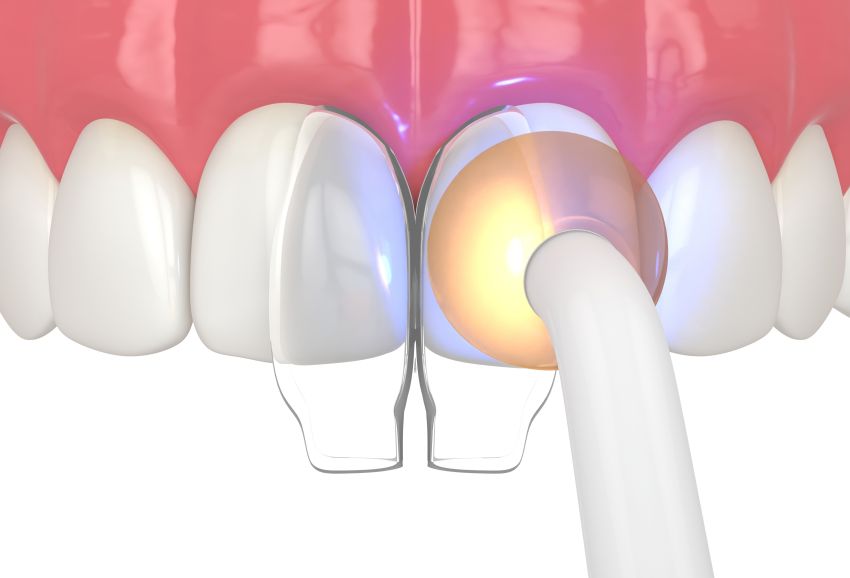
Composite bonding is often used for:
Often, it’s the smaller adjustments that make the difference, bringing everything into better balance without overdoing it.
Although composite bonding is a relatively quick treatment, planning is paramount. Before going ahead, our dentists will look at how your teeth come together, how healthy they are, and whether bonding is actually the right option for you.
Sometimes it is. Other times, a different approach (such as aligning the teeth first or combining bonding with whitening) will give a better result.
If you’re considering composite bonding in Crayford, we can help you understand what’s possible and what’s appropriate for your teeth. Book a consultation with the team at Ark-G Dental to talk through your options.
Begin by exploring the right treatment options tailored to your needs and goals.
Meet with our friendly team for a thorough assessment and personalised treatment plan.
Receive high-quality care using modern techniques designed for comfort and precision.
Enjoy lasting results and the confidence that comes with a healthy, beautiful smile.

I went to see Margarita at the Ark-G dentist and had a 4-tooth denture made and fitted, and I’m so happy with the results. Thank you again.


Ark Dental & Cosmetic centre is the best dentist that I have been to, very clean and hygienic, the staff and dentists are really lovely, polite, helpful, totally organised, there’s a nice calming atmosphere, and they do not rush.
Excellent service from booking appointments to having treatment, all the staff are lovely. I was nervous like most, but the experience I received was nothing short of excellent. My husband was treated at the Crayford branch as well and was very pleased with the service.
I went to see Margarita at the Ark-G dentist and had a 4-tooth denture made and fitted, and I’m so happy with the results. Thank you again.
Ark Dental & Cosmetic centre is the best dentist that I have been to, very clean and hygienic, the staff and dentists are really lovely, polite, helpful, totally organised, there’s a nice calming atmosphere, and they do not rush.
Excellent service from booking appointments to having treatment, all the staff are lovely. I was nervous like most, but the experience I received was nothing short of excellent. My husband was treated at the Crayford branch as well and was very pleased with the service.
Composite bonding works best when the changes are relatively small and the underlying teeth are healthy.
If more significant adjustments are needed, it’s often better to take a slightly longer route to get a more stable result.
That’s part of the conversation, as not every treatment suits every situation, and it’s important to get that right from the start.
It’s a simple way to improve the look of your teeth without permanently changing their structure.
The process itself is straightforward. The tooth surface is prepared, and the composite material is applied in layers. It’s shaped carefully by hand to match the surrounding teeth, then set and polished so it feels smooth and natural.
There’s no laboratory work involved, so everything is done there and then.
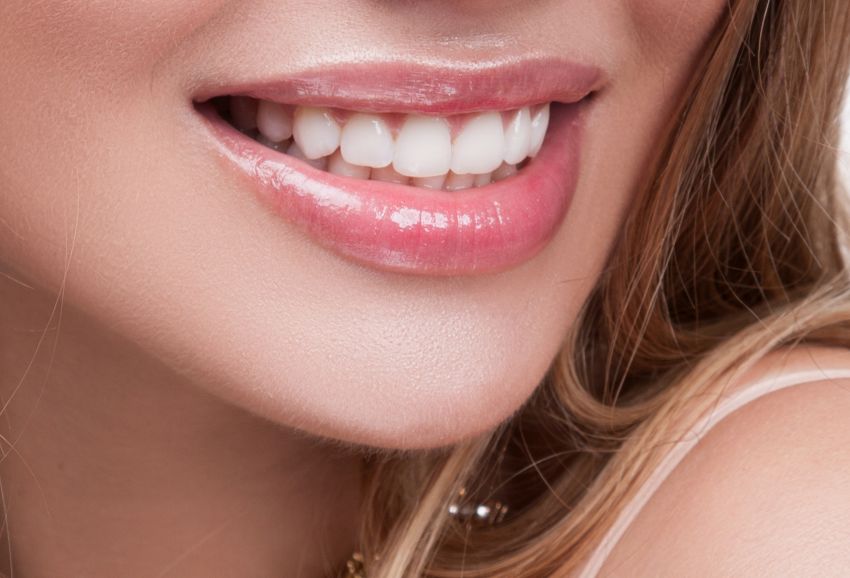
When it’s done well, composite bonding shouldn’t be obvious. The aim isn’t to make your teeth look different; it’s to make them look like they’ve always been that way, just more even and in proportion. That’s why small changes often make the biggest difference.
Alternatives include teeth whitening, clear aligners, and veneers. The right option depends on what you’d like to change.
Whitening is usually done first, with the bonding then matched to the lighter shade.
It can improve the appearance of mild unevenness, but it doesn’t move teeth. For that, aligners are usually recommended.
Bonding is often used to adjust specific areas, while composite veneers cover the front surface of the tooth more fully.
No. It’s generally a comfortable procedure and doesn’t usually require needles.
Yes, it’s a well-established treatment when carried out by a qualified dentist.
It can pick up some staining over time, particularly from tea, coffee, or smoking.
It typically lasts several years, depending on how it’s cared for.
Brushing, flossing, regular check-ups, and avoiding habits like biting hard objects will help maintain it.
Bonding changes the appearance of teeth quickly, while braces or aligners correct their position. It depends on what you’re looking to achieve.
Book Consultation